
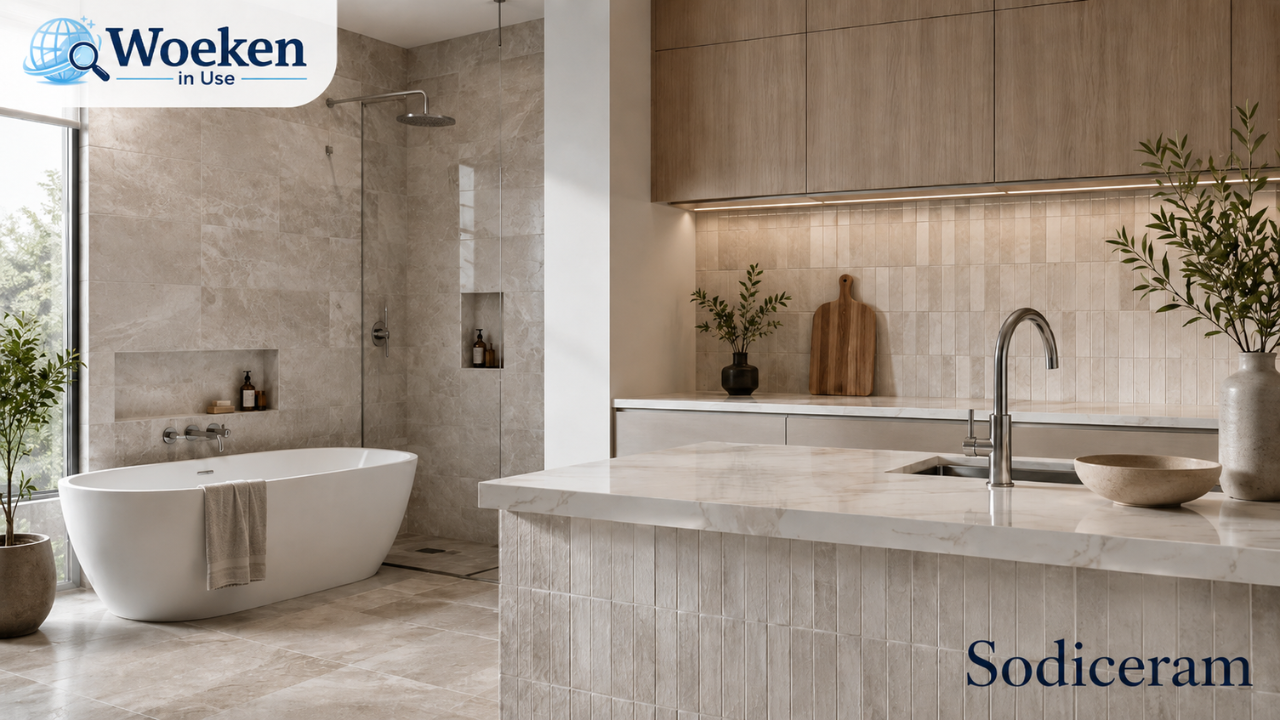
Sodiceram: What Is It, How Is It Used, and Why Is It Popular in Modern Ceramic Design?
Sodiceram is a term people are increasingly searching for when they want to understand ceramic-based surfaces, modern tiles, and advanced ceramic materials. In current search results, the word is used in more than one way. Some pages describe sodiceram as a type of advanced or sodium-enhanced ceramic material, while others connect it more generally with ceramic products, porcelain tiles, decorative surfaces, and building materials. A French tile distributor listing also uses the name “SODICERAM” for a business in Reims, France.
Because of that, the most accurate way to understand sodiceram is this: sodiceram is best treated as an emerging ceramic-related term connected with durable ceramic surfaces, tile products, and high-performance ceramic design. It may refer to a brand, a supplier, a product line, or a descriptive term for improved ceramic materials depending on the context.
For homeowners, designers, builders, and buyers, the practical meaning is simple. Sodiceram usually points toward ceramic or porcelain-style products that are valued for strength, clean appearance, moisture resistance, easy maintenance, and long-term surface performance.
Why People Are Searching for Sodiceram
People search for sodiceram because the keyword is not immediately clear. It sounds technical, but it also sounds like a brand name. That creates curiosity.
A person may search it because they saw the name on a product page, a catalogue, a tile supplier listing, a construction website, or a blog discussing advanced ceramics. Others may be trying to compare sodiceram with traditional ceramic or porcelain tiles.
The search intent usually falls into four groups:
First, people want a simple meaning. They want to know whether sodiceram is a material, brand, tile, or company.
Second, users want practical uses. They want to know if it is suitable for flooring, walls, kitchens, bathrooms, offices, outdoor surfaces, or industrial areas.
Third, buyers want benefits. They are looking for durability, design variety, water resistance, stain resistance, heat resistance, and easy cleaning.
Fourth, some users want location or supplier information. This is why a distributor-style result can appear alongside general informational articles.
The best answer must therefore explain both sides: the material/product meaning and the brand/business possibility.
Is Sodiceram a Brand, Material, or Ceramic Category?
This is one of the most important questions because competitors often answer it too confidently. The truth is more nuanced.
Sodiceram is not currently presented in search results as a widely standardized global ceramic category like “porcelain tile” or “ceramic tile.” Instead, the results show different interpretations. Some pages call it an advanced ceramic material. Others describe it as ceramic and porcelain surfaces used in interiors. Another search result shows SODICERAM as a dealer or distributor name in Reims.
So, when writing or researching sodiceram, it is safer to treat it as:
- A ceramic-related keyword
- A possible brand or supplier name
- A term associated with modern ceramic/porcelain surfaces
- A phrase used online to describe stronger, denser, or advanced ceramic materials
This matters because buyers should not assume every product called sodiceram has the same technical rating. Before choosing any tile or surface, always check the manufacturer’s product sheet, water absorption rating, slip resistance, thickness, finish, installation instructions, and warranty.
How Sodiceram Connects to Ceramic and Porcelain Surfaces
To understand sodiceram properly, it helps to understand ceramic and porcelain.
Ceramic materials are generally made from inorganic, non-metallic compounds that are shaped and fired at high temperatures. Ceramic materials are known for useful mechanical, thermal, electrical, and chemical properties, although performance depends heavily on composition and manufacturing quality.
Porcelain tile is a more specific type of ceramic tile. The Tile Council of North America explains that porcelain tiles have low water absorption; non-porcelain tiles absorb more than 0.5% water, while porcelain tiles are usually frost resistant because of their low absorption, although the manufacturer’s literature should still be checked for frost resistance.
This is where sodiceram-style descriptions usually fit. Many pages describe it as a material with low porosity, better strength, heat resistance, and improved surface durability. Those qualities are also commonly associated with dense ceramic and porcelain products.
In simple terms, sodiceram sits in the reader’s mind near these product ideas:
- Ceramic tiles
- Porcelain floor tiles
- Wall cladding
- Bathroom surfaces
- Kitchen backsplashes
- Decorative ceramic finishes
- Technical ceramic surfaces
- High-performance ceramic materials
Key Features of Sodiceram-Style Materials
A good sodiceram product or sodiceram-style ceramic surface should be judged by real performance features, not just marketing language.
1. Durability
The biggest reason people choose ceramic and porcelain surfaces is durability. A well-made ceramic tile can handle daily movement, cleaning, furniture, moisture, and heat better than many softer surface materials.
For flooring, durability depends on thickness, body composition, surface finish, abrasion rating, and correct installation. A beautiful tile can still fail early if it is installed on an uneven base or with the wrong adhesive.
2. Low Water Absorption
Water absorption is one of the most important technical details. A dense tile absorbs less water, which helps it perform better in bathrooms, kitchens, laundry rooms, balconies, and outdoor areas.
Porcelain is commonly classified as a ceramic tile with water absorption of 0.5% or less under recognized tile standards. If a sodiceram product is being sold as porcelain-like or high-performance, the water absorption rating is worth checking.
3. Heat Resistance
Ceramic materials are made through high-temperature firing, which gives many ceramic surfaces good heat tolerance. This is useful near kitchens, fireplaces, sunny exterior areas, and commercial spaces.
However, heat resistance does not mean every ceramic tile can handle every thermal shock condition. Sudden temperature changes, poor installation, or unsuitable substrates can still cause cracking.
4. Stain Resistance
Glazed ceramic and porcelain surfaces are often chosen because they are easier to clean than porous stone. A dense, properly finished surface resists many everyday stains from food, dust, soap, and moisture.
Still, grout lines can stain if they are not sealed or maintained. Many homeowners blame the tile when the real problem is old grout, poor cleaning products, or low-quality installation.
5. Design Variety
Sodiceram-style products are often discussed in connection with modern interiors. Popular looks include:
- Marble-look tiles
- Stone-effect surfaces
- Concrete-look finishes
- Wood-look ceramic planks
- Matte neutral tiles
- Glossy wall tiles
- Large-format porcelain slabs
- Textured anti-slip surfaces
This design range makes ceramic surfaces useful in both simple and luxury spaces.
Common Uses of Sodiceram
Residential Flooring
Sodiceram-style tiles can be used in living rooms, hallways, bedrooms, kitchens, and entry areas. They offer a clean look and can handle regular foot traffic. In busy homes, ceramic and porcelain flooring is popular because it is easier to maintain than carpet and often more moisture-resistant than wood.
Bathroom Walls and Floors
Bathrooms are one of the strongest use cases. A suitable ceramic or porcelain tile can handle moisture, splashes, soap, and regular cleaning. For bathroom floors, slip resistance matters. A glossy wall tile may look beautiful, but it is not always suitable for wet floors.
Kitchen Backsplashes and Floors
Kitchen surfaces face oil, heat, food stains, and repeated cleaning. Sodiceram-style ceramic tiles can work well behind cooktops, around counters, and on kitchen floors. For backsplashes, design and wipe-clean performance matter most. For floors, durability and slip resistance are more important.
Commercial Interiors
Offices, hotels, restaurants, retail shops, and showrooms often use porcelain or ceramic surfaces because they look professional and handle traffic well. Large-format tiles can create a premium look with fewer grout lines.
Outdoor Areas
Some dense porcelain tiles can be suitable for patios, balconies, terraces, and exterior walkways. But not every ceramic tile is outdoor-safe. For exterior use, buyers should check frost resistance, slip rating, thickness, and manufacturer approval.
Industrial and Technical Areas
Some competitors describe sodiceram as an advanced ceramic used in industrial environments. Advanced ceramics can be valued for heat, wear, and chemical resistance, but this depends on the exact material composition. Industrial buyers should rely on technical data sheets, not general blog descriptions.
Sodiceram vs Ceramic vs Porcelain
| Feature | Sodiceram-Style Surface | Traditional Ceramic Tile | Porcelain Tile |
| Meaning | Emerging/brand-style ceramic-related term | Broad clay-based fired tile category | Dense ceramic tile category |
| Water Resistance | Depends on product rating | Varies widely | Usually very low absorption |
| Durability | Often marketed as high | Moderate to strong | Strong and dense |
| Best Use | Modern homes, commercial areas, design surfaces | Walls, light floors, interiors | Floors, wet areas, commercial spaces |
| Cost | Varies by supplier | Often affordable | Often higher than basic ceramic |
| Maintenance | Usually easy if glazed/dense | Easy, but depends on finish | Very easy in most cases |
| Outdoor Use | Only if rated for exterior use | Not always suitable | Often suitable if frost/slip rated |
The key point is simple: do not choose based on the name alone. Choose based on the actual specifications.
Benefits of Sodiceram for Homes and Commercial Spaces
Long-Lasting Appearance
A good ceramic or porcelain surface can keep its look for years. It does not fade as quickly as some soft materials, and it can handle normal cleaning without losing its finish.
Easy Cleaning
Most glazed ceramic surfaces only need sweeping, vacuuming, and damp mopping. In bathrooms, regular cleaning prevents soap buildup. In kitchens, quick wiping helps avoid grease marks.
Avoid harsh acids unless the manufacturer says they are safe. Acidic cleaners can damage grout, natural stone trims, metal fittings, and some decorative finishes.
Moisture Performance
Bathrooms, kitchens, and entryways need surfaces that can handle moisture. Dense ceramic and porcelain materials are popular for these spaces because they are less likely to swell, warp, or absorb spills compared with wood-based surfaces.
Design Flexibility
One reason sodiceram-related searches are growing is design flexibility. Modern ceramic technology can imitate marble, limestone, cement, terrazzo, wood, and handcrafted tiles. This allows homeowners to get a luxury look without using fragile or expensive natural materials.
Good Value Over Time
The upfront cost may be higher than basic flooring, but the long-term value can be strong. A durable tile that lasts many years may cost less over time than a cheaper surface that needs frequent replacement.
Useful for High-Traffic Areas
Hallways, shops, hotels, and offices need surfaces that do not wear out quickly. Dense ceramic and porcelain surfaces are often selected because they can handle repeated movement while still looking clean.
Possible Limitations to Know Before Choosing It
Sodiceram-style surfaces are useful, but they are not perfect for every situation.
It Can Feel Hard Underfoot
Ceramic and porcelain floors are hard. This is good for durability but can feel less comfortable for long standing. In kitchens, some people add mats near sinks or cooking areas.
It Can Be Cold
Tile floors can feel cold in winter. This can be solved with rugs or underfloor heating if the tile and installation system support it.
Installation Quality Matters
Even high-quality tile can crack if the base is weak, uneven, or moving. Proper surface preparation is essential. Large-format tiles need skilled installation because uneven placement can create lippage.
Grout Needs Attention
Tiles may be easy to clean, but grout can collect dirt. Choosing the right grout color, sealing where needed, and cleaning regularly can make a big difference.
Glossy Tiles Can Be Slippery
Glossy finishes are beautiful on walls, but they can be risky on wet floors. For bathrooms, balconies, and outdoor areas, choose a surface with suitable slip resistance.
How to Choose the Right Sodiceram Product
Check the Use Area
Before buying, decide where the product will be installed:
- Bathroom floor
- Bathroom wall
- Kitchen backsplash
- Kitchen floor
- Living room floor
- Outdoor terrace
- Commercial lobby
- Restaurant floor
- Office wall
- Industrial surface
Each space has different needs. A wall tile does not need the same strength as a floor tile. An outdoor tile needs more technical performance than an indoor decorative wall tile.
Ask for Technical Details
A reliable supplier should provide specifications such as:
- Water absorption
- Slip resistance
- Thickness
- Surface finish
- PEI or abrasion rating where applicable
- Frost resistance
- Chemical resistance
- Recommended adhesive
- Recommended grout
- Indoor or outdoor approval
- Cleaning instructions
If a product has no technical sheet, be careful.
Match Finish With Function
Matte tiles often hide footprints better than high-gloss tiles. Textured tiles add grip but may need more cleaning. Polished tiles look luxurious but can show scratches or water marks more easily.
Think About Tile Size
Large tiles create a modern look and fewer grout lines. Small tiles work well for curves, shower floors, decorative walls, and traditional designs. Very large slabs need skilled handling and installation.
Choose the Right Color
Light tiles make rooms feel bigger and brighter. Dark tiles look dramatic but may show dust, water spots, and soap marks. Neutral colors such as beige, grey, white, and stone tones are easier to match with future décor changes.
Installation Tips for Better Results
A strong installation begins before the tile is placed.
Prepare the Surface
The base should be clean, level, dry, and stable. Dust, moisture, movement, and uneven areas can weaken the bond.
Use the Right Adhesive
Different tiles need different adhesives. Porcelain and large-format tiles often require stronger bonding materials than basic ceramic wall tiles.
Plan the Layout
Dry-lay some tiles before installation. This helps avoid awkward cuts near doors, corners, drains, and visible edges.
Control Grout Lines
Grout spacing affects the final look. Thin grout lines look modern, but they require precise tiles and skilled installation. Wider grout lines may suit rustic or handmade styles.
Allow Proper Curing Time
Do not rush the process. Walking on tiles too early or cleaning grout before it cures can damage the installation.
Cleaning and Maintenance Guide
Daily Cleaning
Sweep or vacuum dust and grit. Small particles can act like sandpaper on some finishes. For regular cleaning, use a damp mop and a mild cleaner.
Bathroom Cleaning
Clean soap residue regularly. Keep ventilation strong to reduce mold around grout and silicone joints.
Kitchen Cleaning
Wipe oil and food spills quickly. Ceramic surfaces are generally easy to clean, but grout can absorb stains if neglected.
Outdoor Cleaning
Outdoor tiles collect dust, leaves, algae, and rain marks. Use a brush and suitable outdoor cleaner. Avoid pressure washing too aggressively near grout joints.
What to Avoid
Avoid using:
- Very harsh acids
- Abrasive metal pads
- Wax coatings unless recommended
- Random chemical cleaners without testing
- Bleach overuse on colored grout
- Steam cleaning if the manufacturer warns against it
Always follow the supplier’s cleaning instructions first.
Is Sodiceram Safe and Sustainable?
Ceramic surfaces are widely used in homes, bathrooms, kitchens, hospitals, restaurants, and commercial buildings. A properly manufactured and installed ceramic product is generally considered safe for normal surface use.
For sustainability, the answer depends on the product. Ceramic materials can last a long time, which reduces replacement waste. However, firing ceramics requires energy. Transport, raw materials, packaging, and manufacturing processes also affect environmental impact.
A more responsible buyer should look for:
- Long product lifespan
- Low maintenance needs
- Reliable supplier information
- Recycled content where available
- Environmental product declarations if offered
- Durable design that will not go out of style quickly
- Local or regional supply where possible
The most sustainable tile is often the one that performs well and does not need replacing quickly.
Conclusion
Sodiceram is a growing search term connected with ceramic surfaces, porcelain-style products, and modern high-performance ceramic materials. Because the word is used in different ways across search results, the smartest approach is to understand it as a ceramic-related term rather than a single universal standard.
For homeowners, sodiceram can point toward stylish, durable, and easy-to-maintain surfaces for kitchens, bathrooms, floors, and walls. For designers and builders, it represents the wider trend toward stronger, cleaner, and more practical ceramic finishes. For buyers, the most important lesson is simple: check the actual product specifications before making a decision.
A good sodiceram-style product should offer the right balance of beauty, strength, moisture resistance, safety, and long-term value. When selected carefully and installed correctly, it can be a reliable choice for both modern homes and commercial spaces.
Frequently Asked Questions
What is sodiceram?
Sodiceram is a ceramic-related term used for modern ceramic surfaces, porcelain-style products, and sometimes advanced sodium-enhanced ceramic materials. It may also appear as a brand or supplier name depending on the context.
Is sodiceram a brand or a material?
It can be interpreted both ways. Search results show sodiceram used as a ceramic-related material term, while one result also shows SODICERAM as a distributor listing in Reims, France.
What is sodiceram used for?
Sodiceram-style products are commonly associated with flooring, wall tiles, bathroom surfaces, kitchen backsplashes, decorative interiors, commercial spaces, and durable ceramic applications.
Is sodiceram better than normal ceramic?
It depends on the actual product. If the product has low porosity, strong surface finish, good water resistance, and proper technical ratings, it may perform better than basic ceramic. But the name alone is not enough.
Can sodiceram be used in bathrooms?
Yes, sodiceram-style ceramic or porcelain products can be suitable for bathrooms if they are rated for wet areas. For floors, choose a finish with proper slip resistance.
How do you clean sodiceram?
Use regular sweeping, damp mopping, and mild cleaners. Avoid harsh acids, metal scrubbers, and random chemicals unless the manufacturer confirms they are safe.
If you enjoyed this article, read more about Usage of Woeken in Modern Context