
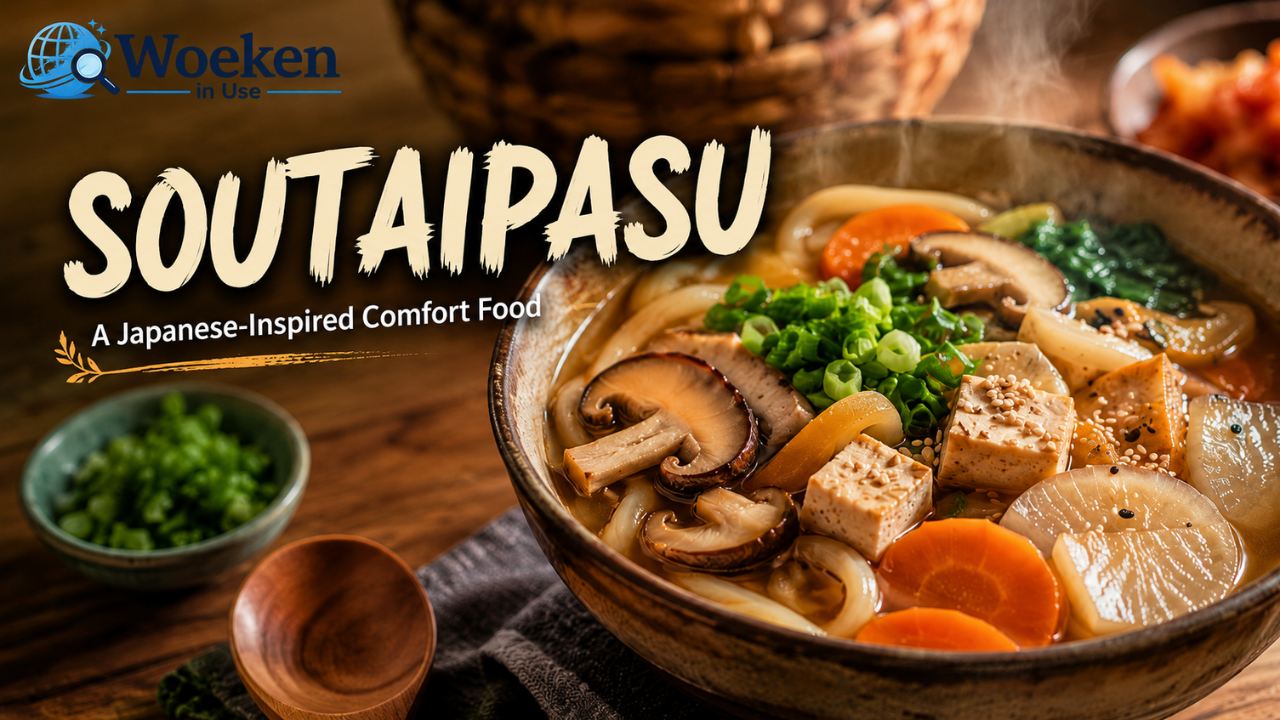
Soutaipasu: What Is This Japanese-Inspired Comfort Food and Why Is It Popular?
Soutaipasu is commonly described online as a Japanese-inspired comfort food dish, often linked with warm noodles, rich broth, seasonal vegetables, umami flavor, and a cozy winter-style eating experience. It is not as globally famous as ramen, udon, or soba, but search results show that people are increasingly curious about it as a unique food topic.
In food-focused content, soutaipasu is usually presented as a hearty dish made with thick noodles, fermented or miso-based broth, root vegetables, mushrooms, tofu, fish, pork, or other protein options. The idea behind the dish is warmth, balance, nourishment, and deep flavor.
The most important thing to understand is this: soutaipasu is being searched as a comfort-style food term, not only as a technical or digital word. For food blogs, the best angle is to explain it as a Japanese-inspired dish with regional variations, ingredients, taste, preparation methods, and serving ideas.
Google Search Results Analysis
Current Google search results for soutaipasu show mixed intent. Some pages treat the word as a general cultural or digital concept, but several food-related pages clearly position it as a dish or food idea.
Top-Ranking Competitor Pages
| Competitor Type | Content Angle | Search Intent |
| Japanese winter noodles article | Explains soutaipasu as a hearty noodle dish | Food meaning and recipe intent |
| Regional variation article | Covers how different regions prepare soutaipasu | Culinary and cultural intent |
| Gourmet dining article | Presents soutaipasu as a dining trend | Food discovery intent |
| Restaurant-focused article | Talks about places to try soutaipasu | Travel and food experience intent |
| Conceptual food article | Connects soutaipasu with food, culture, and balance | Lifestyle-food intent |
Common Headings Competitors Cover
Competitor food pages commonly cover:
What is soutaipasu?
Ingredients used in soutaipasu
Regional variations
Taste and flavor profile
Health benefits
How to serve it
Why it is becoming popular
Modern twists and gourmet versions
People Also Ask–Style Questions
Readers are likely searching for:
What is soutaipasu food?
Is soutaipasu Japanese?
What ingredients are used in soutaipasu?
Is soutaipasu a noodle dish?
How does soutaipasu taste?
Can soutaipasu be made at home?
Is soutaipasu healthy?
What is the difference between soutaipasu and ramen?
Content Gaps Found
Many competitor pages are weak because they do not explain the dish clearly. Some make broad claims but do not provide enough practical details for readers.
This article improves the topic by adding:
Clear food-focused explanation
Ingredient breakdown
Taste profile
Regional variations
Home-cooking method
Serving ideas
Storage tips
FAQs based on search behavior
Why Soutaipasu Is Getting Attention
Soutaipasu is gaining attention because people are always looking for new comfort foods that feel warm, filling, flavorful, and culturally interesting. Japanese food already has a strong global reputation because of ramen, sushi, tempura, miso soup, udon, soba, and donburi. Soutaipasu fits naturally into that curiosity.
Another reason is the rise of comfort food content. Readers enjoy dishes that feel traditional, cozy, and homemade. Soutaipasu is often described as a winter-friendly dish, which makes it appealing to people who like warm bowls of noodles, broth, vegetables, and protein.
It also has a flexible identity. Some versions are simple and rustic, while others can be more modern and gourmet. This makes soutaipasu useful for food bloggers, home cooks, restaurant writers, and readers interested in Japanese-inspired meals.
The Food Identity of Soutaipasu
Soutaipasu can be understood as a balanced bowl-style dish. It usually combines four main parts:
A warm base
This may be miso broth, soy-based broth, dashi-style broth, or a lightly fermented soup base.
A filling starch
Many food-focused descriptions connect soutaipasu with thick wheat noodles, soft rice, or buckwheat-style noodles.
Vegetables
Common choices include daikon, mushrooms, carrots, cabbage, burdock root, green onions, seaweed, spinach, and seasonal mountain vegetables.
Protein
Depending on the style, soutaipasu may include tofu, grilled fish, pork, chicken, egg, or mushrooms for a vegetarian version.
The final result is a dish that feels warm, savory, nourishing, and deeply satisfying.
Main Ingredients Used in Soutaipasu
The ingredients in soutaipasu can vary, but most versions focus on natural, earthy, and umami-rich flavors.
1. Noodles
Soutaipasu is often described as a noodle-based dish. Thick wheat noodles work well because they hold broth and provide a chewy texture. Some versions may use buckwheat noodles or soft rice as a base.
Best options include:
Thick wheat noodles
Udon-style noodles
Buckwheat noodles
Rice noodles for a lighter version
Soft cooked rice for a bowl-style variation
2. Broth
The broth is the heart of soutaipasu. It gives the dish warmth and depth.
Common broth ideas include:
Miso broth
Soy-based broth
Dashi-style broth
Mushroom broth
Fermented vegetable broth
Light ginger broth
A good broth should taste savory, balanced, and comforting.
3. Vegetables
Vegetables add color, nutrition, and texture. Soutaipasu works best with seasonal vegetables.
Popular vegetables include:
Daikon
Carrots
Mushrooms
Burdock root
Cabbage
Spinach
Green onions
Seaweed
Bok choy
Pumpkin or squash
Root vegetables are especially useful because they make the dish feel hearty.
4. Protein
Protein makes soutaipasu more filling.
Common protein choices include:
Tofu
Grilled fish
Chicken
Pork slices
Soft-boiled egg
Mushrooms
Tempeh for a plant-based version
For a vegetarian soutaipasu, tofu and mushrooms work very well.
5. Garnishes
Garnishes add freshness and aroma.
Good toppings include:
Green onions
Sesame seeds
Nori strips
Chili oil
Pickled ginger
Soft-boiled egg
Fresh herbs
Bonito flakes
A small garnish can make the bowl look more complete and appetizing.
What Does Soutaipasu Taste Like?
Soutaipasu usually has a warm, savory, earthy, and umami-rich taste. If it uses miso broth, the flavor becomes deep, slightly salty, and fermented. If it uses dashi-style broth, the taste becomes lighter, cleaner, and more delicate.
The noodles provide softness and chew. The vegetables add sweetness and freshness. Mushrooms add an earthy flavor. Tofu or egg adds a smooth, comforting texture. If pork or fish is used, the dish becomes richer.
A good bowl of soutaipasu should feel balanced. It should not be too salty, too heavy, or too plain. The best versions have layers of flavor: warm broth, soft noodles, seasonal vegetables, and a gentle umami finish.
How Soutaipasu Is Traditionally Served
Soutaipasu is best served hot in a deep bowl. The broth should be warm enough to release aroma, and the noodles should be soft but not overcooked.
A typical serving may include:
A bowl of noodles or rice
Hot broth poured over the base
Seasonal vegetables arranged on top
Protein such as tofu, egg, fish, chicken, or pork
Fresh garnish for color and flavor
It can be served as a full meal because it includes carbohydrates, protein, vegetables, and broth in one bowl.
For a more traditional feeling, serve soutaipasu with:
Pickled vegetables
Green tea
Small salad
Steamed edamame
Light dipping sauce
A small rice side if noodles are not used
Regional Variations of Soutaipasu
One reason soutaipasu is interesting is that it can change depending on region, climate, and ingredient availability.
Japanese-Style Soutaipasu
A Japanese-style version may use dashi, miso, soy sauce, seaweed, tofu, mushrooms, and green onions. The taste is usually clean, umami-rich, and balanced.
Mountain-Style Soutaipasu
A mountain-style version may include root vegetables, thick noodles, mushrooms, ginger, and fermented broth. This version feels heavier and is often described as winter-friendly.
Coastal Soutaipasu
A coastal version may include fish, seaweed, bonito flakes, or seafood broth. It has a lighter but deeper ocean-like flavor.
Vegetarian Soutaipasu
A vegetarian version may use mushroom broth, miso, tofu, spinach, carrots, cabbage, and sesame oil. It can be very flavorful without meat.
Modern Gourmet Soutaipasu
A modern version may include premium mushrooms, chili oil, soft-boiled egg, roasted vegetables, or special toppings. Restaurants may present it with artistic plating and unique flavor combinations.
Health Benefits of Soutaipasu
Soutaipasu can be a healthy dish when made with balanced ingredients.
1. Good Source of Vegetables
Because soutaipasu often includes root vegetables, mushrooms, greens, and seaweed, it can provide fiber, vitamins, and minerals.
2. Warm and Hydrating
The broth helps make the dish hydrating and comforting, especially in cold weather.
3. Flexible Protein Options
You can choose tofu, fish, chicken, egg, or mushrooms depending on your diet.
4. Can Be Light or Hearty
Soutaipasu can be made lighter with clear broth and vegetables or heavier with thick noodles and rich miso broth.
5. Supports Balanced Eating
A good bowl contains carbohydrates, protein, vegetables, and liquid, making it a balanced meal.
However, one thing to watch is sodium. Miso, soy sauce, and broth can be salty, so it is better to control seasoning carefully.
Soutaipasu vs Other Japanese Noodle Dishes
Soutaipasu may remind readers of ramen, udon, or soba, but it has its own style.
| Dish | Main Identity | Difference |
| Ramen | Noodles with rich broth | Often stronger, oilier, and more restaurant-style |
| Udon | Thick wheat noodles | Simpler and often lighter |
| Soba | Buckwheat noodles | Earthier and often served hot or cold |
| Miso soup | Light soup | Usually not a full noodle meal |
| Soutaipasu | Warm comfort bowl | More flexible, seasonal, and bowl-based |
Soutaipasu feels like a comfort dish that can sit between noodle soup, seasonal stew, and Japanese-inspired home cooking.
How to Make Soutaipasu at Home
Here is a simple home-style version.
Ingredients
2 servings thick noodles
4 cups vegetable, mushroom, or dashi-style broth
2 tablespoons miso paste
1 tablespoon soy sauce
1 teaspoon grated ginger
1 cup mushrooms
1 small carrot, sliced
½ cup daikon, sliced
1 cup cabbage or spinach
Tofu, egg, chicken, or fish as protein
Green onions for garnish
Sesame seeds or chili oil optional
Step 1: Prepare the Broth
Heat the broth in a pot. Add ginger, soy sauce, and vegetables that need more cooking time, such as carrots and daikon.
Let it simmer until the vegetables become tender.
Step 2: Add Mushrooms and Greens
Add mushrooms, cabbage, spinach, or other soft vegetables. Cook for a few minutes.
Step 3: Add Miso
Turn the heat low before adding miso. Mix the miso with a little warm broth in a small bowl, then pour it back into the pot.
Do not boil miso strongly, because high heat can reduce its delicate flavor.
Step 4: Cook the Noodles
Cook noodles separately according to package instructions. Drain them and place them in serving bowls.
Step 5: Add Protein
Add tofu, boiled egg, chicken, fish, or another protein of your choice.
Step 6: Assemble the Bowl
Pour the hot broth and vegetables over the noodles. Add garnish such as green onions, sesame seeds, seaweed, or chili oil.
Serve immediately.
Common Mistakes to Avoid
Using Too Much Salt
Miso and soy sauce are already salty. Taste the broth before adding more seasoning.
Overcooking the Noodles
Soft noodles are good, but mushy noodles can ruin the texture. Cook them separately and add them at serving time.
Boiling Miso Too Hard
Miso should be added gently. Strong boiling can weaken the flavor.
Using Too Many Ingredients
Soutaipasu should feel balanced. Too many toppings can make the bowl confusing.
Ignoring Texture
A good bowl needs soft noodles, tender vegetables, and a little freshness from garnish.
Best Side Dishes to Serve with Soutaipasu
Soutaipasu can be served alone, but side dishes can make the meal better.
Good options include:
Pickled cucumbers
Steamed edamame
Seaweed salad
Simple cabbage salad
Rice balls
Light tofu salad
Green tea
Roasted vegetables
Avoid very heavy sides because soutaipasu is already filling.
Who Should Try Soutaipasu?
Soutaipasu is a good choice for people who enjoy:
Japanese-inspired food
Warm noodle bowls
Comfort meals
Miso broth
Seasonal vegetables
Balanced one-bowl meals
Vegetarian-friendly dishes
Winter recipes
It is also a good option for home cooks who want something flavorful but not too complicated.
Storage and Reheating Tips
If you plan to store soutaipasu, keep the noodles and broth separate.
Best Storage Method
Store broth and vegetables in one container. Store noodles in another container.
This prevents the noodles from becoming too soft.
How Long It Lasts
The broth and vegetables can usually stay fresh in the refrigerator for 2 to 3 days.
How to Reheat
Reheat the broth gently in a pot. Add noodles only when serving.
Freezing Tip
The broth can be frozen, but noodles are better made fresh.
Conclusion
Soutaipasu is best understood as a Japanese-inspired comfort food dish that brings together warm broth, noodles, vegetables, and nourishing toppings. While the word appears in different online contexts, the food-focused search intent is clear enough to build a helpful article around its ingredients, flavor, preparation, and cultural appeal.
The dish is popular because it feels cozy, flexible, and easy to adapt. You can make it with miso broth, thick noodles, tofu, mushrooms, root vegetables, fish, chicken, or a completely vegetarian base. Its biggest strength is balance: warmth, umami, texture, and nourishment in one bowl.
For anyone who enjoys Japanese-style meals, winter noodle bowls, or comforting homemade recipes, soutaipasu is a dish worth exploring.
FAQs About Soutaipasu
What is soutaipasu?
Soutaipasu is commonly described as a Japanese-inspired comfort food dish, often made with noodles, warm broth, vegetables, and protein.
Is soutaipasu a noodle dish?
Yes, many food-focused descriptions present soutaipasu as a noodle-based dish, especially with thick wheat noodles or similar comforting bases.
What does soutaipasu taste like?
Soutaipasu usually tastes savory, warm, earthy, and umami-rich, especially when made with miso, mushrooms, soy sauce, or dashi-style broth.
Is soutaipasu healthy?
It can be healthy when made with vegetables, balanced protein, and controlled salt. The healthiness depends on the ingredients and broth.
Can soutaipasu be vegetarian?
Yes. A vegetarian version can be made with mushroom broth, miso, tofu, seaweed, spinach, carrots, and other vegetables.
Is soutaipasu the same as ramen?
No. Soutaipasu may look similar to ramen, but it is usually described as more flexible, seasonal, and comfort-focused, while ramen has more established styles and traditions.
If you enjoyed this article, read more about Nimedes in Technology, AI, and Automation