Calamariere: What Does This Seafood Term Really Mean?
Calamariere is an emerging food-related term most commonly connected with calamari, squid dishes, and Mediterranean-style seafood preparation. In simple words, people usually use calamariere to describe either a refined squid-based dish, a person skilled in preparing calamari, or a broader culinary idea built around seafood craftsmanship.
The word is closely linked to calamari, which refers to squid used as food. Because calamari is strongly associated with Italian and Mediterranean cuisine, calamariere naturally sounds like a word from the same culinary family. Many online food guides now present it as a term that blends squid preparation, coastal cooking, and the skill of a seafood specialist.
However, it is important to understand one thing clearly: calamariere is not as commonly standardized as words like calamari, pasta, risotto, or bruschetta. It is better understood as a developing or interpreted term rather than a traditional word that every dictionary or restaurant menu uses in the same way.
That is exactly why people search for it. They see the term online, in food articles, or in seafood discussions and want to know whether it means a dish, a chef, a recipe, or something else. The best answer is that calamariere can be used in more than one way, but its strongest connection is with squid, calamari, seafood preparation, and Mediterranean cooking traditions.
Why People Are Searching for Calamariere
The search interest around calamariere comes from curiosity. The word looks familiar because it contains “calamari,” but it also feels unusual because of the ending “-iere.” That ending makes it sound like a role, title, or professional identity, similar to words used for people with a specific craft.
When someone searches for calamariere, they are usually looking for one of these answers:
- What does calamariere mean?
- Is calamariere the same as calamari?
- Is it a seafood dish?
- Is it an Italian word?
- Is it a person who cooks squid?
- How is calamariere prepared?
- Is it healthy?
- Why is it becoming popular online?
This makes the keyword different from a normal recipe keyword. Someone searching “fried calamari recipe” clearly wants instructions. Someone searching “calamariere” wants explanation first, then practical details. A helpful article must therefore explain the meaning, clear up confusion, and then give useful food-related information.
Is Calamariere a Real Word?
Calamariere appears to be a modern or interpreted term rather than a universally established dictionary word. It is not as firmly recognized as calamari, which is widely used in English to mean squid prepared as food, or calamaro, the Italian word for squid.
That does not make the term useless. Many food terms become popular through restaurants, travel writing, food blogs, menus, and cultural storytelling before they become widely standardized. In online usage, calamariere is often treated as a refined way to talk about squid preparation or a skilled person who works with calamari.
The safest and most accurate way to explain it is this:
Calamariere is best understood as an emerging culinary term connected to calamari, squid preparation, seafood skill, and Mediterranean-style cooking.
This definition avoids exaggeration while still matching how the word is currently used online. It also helps readers understand the term without pretending it has one fixed meaning in every language or culture.
Calamariere Meaning: Dish, Chef, or Culinary Concept?
The reason calamariere causes confusion is that it can be interpreted in three main ways.
1. Calamariere as a dish
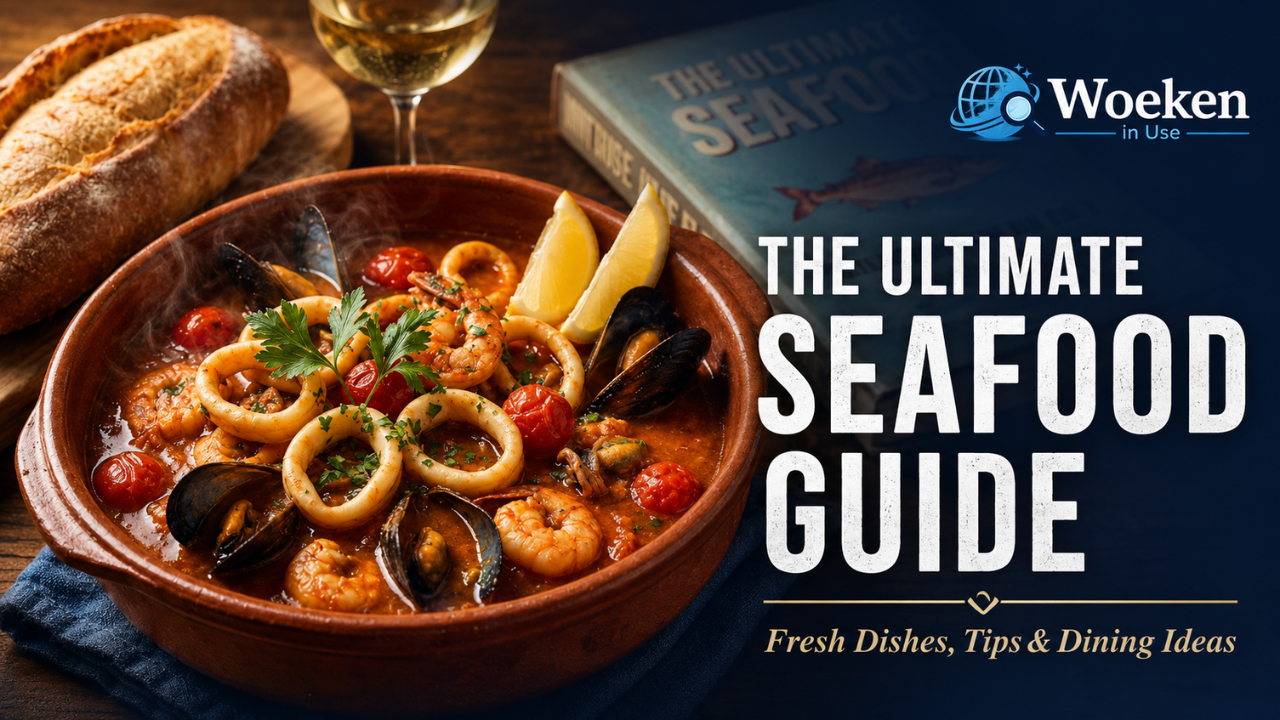
Many food articles describe calamariere as a seafood dish made with squid. In this sense, it may refer to squid that is fried, grilled, stuffed, sautéed, or slow-cooked with Mediterranean ingredients such as olive oil, garlic, lemon, parsley, tomatoes, herbs, and sometimes wine.
This interpretation is close to the way people already understand calamari. The difference is that calamariere sounds broader and more refined. Instead of only meaning fried squid rings, it can suggest a complete seafood preparation built around flavor, texture, and technique.
2. Calamariere as a skilled seafood cook
Another common interpretation is that a calamariere is a person who specializes in preparing calamari or squid dishes. Under this meaning, a calamariere is not simply someone who fries squid. It suggests a cook who understands how to select, clean, cut, season, and cook squid properly.
This meaning makes sense because the word ending gives it a professional sound. A calamariere, in this context, would be similar to a specialist in a seafood kitchen who knows how to handle delicate squid without making it tough or rubbery.
3. Calamariere as a culinary concept
The third interpretation is more modern. Some writers use calamariere as a concept that represents Mediterranean seafood culture, coastal dining, careful preparation, and respect for fresh ingredients.
In this sense, calamariere is not just a recipe. It becomes a style of cooking: simple, fresh, balanced, and technique-driven. It celebrates the idea that seafood does not need heavy sauces or complicated tricks when the ingredient is good and the cooking is precise.
Calamariere vs Calamari vs Squid
Because these words are closely connected, it helps to compare them clearly.
| Term | Basic Meaning | Best Use |
| Squid | The sea animal itself | Biology, seafood markets, ingredient names |
| Calamari | Squid used as food, often fried | Menus, recipes, restaurant dishes |
| Calamariere | Emerging term linked to squid dishes, seafood skill, or a calamari specialist | Food writing, culinary guides, concept-based seafood content |
The easiest way to remember the difference is this:
Squid is the animal. Calamari is the food. Calamariere is the craft, style, or person connected to preparing it well.
This distinction makes the article more useful for readers because it removes the biggest confusion around the keyword. Many people assume calamariere must be just another name for fried calamari, but it is better treated as a broader term.
The Mediterranean Connection Behind Calamariere
Calamariere is strongly associated with Mediterranean seafood culture because squid has long been used in coastal cooking across Italy, Greece, Spain, and surrounding regions. These cuisines often rely on ingredients that are simple but expressive: olive oil, lemon, sea salt, garlic, tomatoes, parsley, oregano, capers, peppers, and fresh herbs.
In Mediterranean-style cooking, seafood is often prepared in ways that protect its natural flavor. Squid may be quickly grilled over high heat, fried until crisp, stuffed with breadcrumbs and herbs, or simmered gently in tomato sauce. The focus is not only on taste but also on texture.
This is where the idea of calamariere becomes useful. Squid is easy to ruin if cooked carelessly. A few minutes too long can make it chewy. Too much batter can hide its flavor. Poor cleaning can leave unpleasant texture. A true calamariere-style approach respects the ingredient from start to finish.
What Makes Calamariere Special?
Calamariere stands out because it is built around precision. Squid is not difficult to cook, but it is unforgiving. The difference between tender and rubbery can be very small.
A good calamariere-style dish usually has these qualities:
- Fresh or properly thawed squid
- Clean, mild seafood aroma
- Balanced seasoning
- Tender texture
- Controlled cooking time
- Simple ingredients that support the seafood
- A bright finish from lemon, herbs, or olive oil
The beauty of calamariere is that it does not need to be fancy. A plate of grilled squid with lemon and olive oil can be excellent if cooked correctly. A bowl of slow-braised squid in tomato sauce can feel rich and comforting. Fried squid can be light and crisp instead of greasy.
The special part is not only the recipe. It is the care behind the preparation.
Common Ways to Prepare Calamariere
Calamariere can be prepared in several styles. Each method creates a different result.
Fried calamariere
This is the style most people recognize. Squid is cut into rings or strips, lightly coated in flour or batter, and fried quickly until golden. The goal is a crisp outside and tender inside.
A good fried calamariere should not feel oily or heavy. The coating should be light enough to let the squid remain the main flavor. It is often served with lemon wedges, garlic sauce, marinara, aioli, or a simple herb dip.
Grilled calamariere
Grilling gives squid a smoky flavor and attractive char. This method works best with whole cleaned squid tubes or larger pieces because very small rings can fall through the grill or overcook quickly.
Grilled calamariere is usually seasoned simply with olive oil, salt, pepper, garlic, lemon juice, and parsley. It pairs well with salads, roasted vegetables, crusty bread, or rice.
Stuffed calamariere
Stuffed squid is common in many Mediterranean kitchens. The squid body is filled with breadcrumbs, herbs, garlic, seafood pieces, rice, cheese, or vegetables, then baked or simmered in sauce.
This style is more filling and works well as a main course. The stuffing should be moist but not too dense because squid shrinks during cooking. Overfilling can cause the squid to burst.
Braised calamariere
Slow-braised calamariere is ideal for deep flavor. Squid is cooked gently in tomato sauce, wine, garlic, onions, herbs, or peppers until tender. This method is useful because squid can become tender again when cooked slowly for enough time.
Braised calamariere pairs beautifully with pasta, polenta, rice, or bread. It is also a good choice for people who prefer soft seafood rather than crispy fried dishes.
Sautéed calamariere
Sautéing is quick and practical. Thin pieces of squid are cooked in a hot pan with olive oil, garlic, chili, herbs, and lemon. This style is ideal for weeknight meals because it takes only a few minutes.
The main rule is to avoid crowding the pan. If too much squid is added at once, it releases moisture and steams instead of searing.
How to Keep Calamariere Tender, Not Rubbery
The most common problem with squid is rubbery texture. This happens when squid is cooked too long at the wrong temperature.
There are two reliable ways to cook squid:
Cook it very quickly over high heat or cook it slowly for a longer time.
Quick cooking works for frying, grilling, and sautéing. The heat should be high, and the cooking time should be short. Slow cooking works for braising and stewing, where squid has time to soften in liquid.
The risky zone is the middle. Cooking squid for too long but not long enough to braise can make it tough. This is why many people have bad experiences with calamari at restaurants or at home.
Helpful tips:
- Pat squid dry before frying or sautéing.
- Do not overcrowd the pan.
- Use high heat for fast methods.
- Cut pieces evenly so they cook at the same speed.
- Add lemon after cooking, not too early.
- For braising, allow enough time for the squid to become tender again.
- Avoid thick, heavy coatings that trap steam.
Texture is the heart of calamariere. If the squid is tender, the dish succeeds.
Ingredients Commonly Used in Calamariere
Calamariere-style cooking usually depends on simple ingredients. The goal is to enhance the squid, not cover it.
Common ingredients include:
- Squid or calamari rings
- Olive oil
- Lemon juice or lemon zest
- Garlic
- Fresh parsley
- Sea salt
- Black pepper
- Chili flakes
- Tomatoes
- White wine
- Breadcrumbs
- Oregano
- Basil
- Capers
- Onion
- Paprika
- Flour or semolina for frying
The best combinations are often the simplest. For example, grilled squid with olive oil, lemon, garlic, and parsley can taste more elegant than a heavily sauced version.
Popular Regional Styles and Serving Ideas
Calamariere can be adapted to many regional flavors.
Italian-style calamariere
Italian-style versions often use olive oil, garlic, parsley, lemon, tomatoes, white wine, and pasta. Dishes may include fried calamari, stuffed calamari, grilled squid, or squid cooked in tomato sauce.
Greek-style calamariere
Greek-style preparations may include oregano, lemon, olive oil, garlic, and grilled seafood platters. It is often served with salad, bread, tzatziki, or roasted vegetables.
Spanish-style calamariere
Spanish-inspired versions may use paprika, garlic, peppers, tomatoes, and sometimes rice. Fried calamari sandwiches and tapas-style squid dishes are also popular in Spanish food culture.
Asian-inspired calamariere
Modern versions may include soy sauce, ginger, sesame oil, chili, tempura batter, or sweet-spicy sauces. These are not traditional Mediterranean versions, but they show how flexible squid can be.
Restaurant-style serving ideas
Calamariere can be served as:
- A starter with lemon and dipping sauce
- A main course with rice or pasta
- A seafood platter item
- A tapas dish
- A grilled summer meal
- A tomato-based stew
- A crispy snack with herbs and chili
This flexibility is one reason the term works well in food writing. It can describe a broad seafood experience rather than one fixed recipe.
Is Calamariere Healthy?
Calamariere can be a healthy seafood choice depending on how it is cooked. Squid is naturally a source of protein and contains useful nutrients. However, the health value of the dish depends heavily on preparation.
Grilled, sautéed, or braised calamariere is usually lighter than deep-fried versions. Fried calamari can still be enjoyed, but it is higher in oil and calories because of the coating and frying process.
A balanced calamariere meal might include grilled squid, fresh salad, vegetables, olive oil, lemon, and whole grains. A heavier version might include deep-fried squid, creamy sauces, and salty sides.
Important health notes:
- People with shellfish or seafood allergies should avoid squid unless cleared by a medical professional.
- Pregnant people and children should follow official seafood guidance and choose lower-mercury seafood options.
- Seafood should be cooked safely and handled properly to reduce foodborne illness risk.
Calamariere is best enjoyed as part of a varied diet, not as a single “miracle” food.
How to Choose Fresh Squid for Calamariere
Good calamariere begins before cooking. The quality of squid matters.
When buying fresh squid, look for:
- Mild ocean smell, not a strong ammonia odor
- Firm flesh
- Shiny, moist surface
- Clear eyes if buying whole squid
- No slimy or sour smell
- Clean appearance
Frozen squid can also be a good option. In fact, frozen squid is often convenient because it is cleaned and ready to use. The key is to thaw it properly in the refrigerator and pat it dry before cooking.
Avoid squid that smells harsh, feels mushy, or looks dried out. Poor-quality squid will not become excellent just because the seasoning is good.
Sustainability and Responsible Seafood Choices
Seafood sustainability matters because oceans are under pressure from overfishing, climate change, and poor harvesting practices. A responsible calamariere approach should consider where the squid comes from, how it was caught, and whether the supplier follows better seafood practices.
For home cooks, this can be simple:
- Buy from trusted fishmongers or reputable markets.
- Ask where the squid was sourced.
- Choose local seafood when available and appropriate.
- Avoid wasting edible parts.
- Use tentacles as well as rings.
- Do not buy more than you need.
Sustainability does not have to make cooking complicated. It simply means respecting the ingredient and making informed choices.
Common Mistakes to Avoid
Many calamariere dishes fail because of small mistakes. Here are the most common ones.
Overcooking the squid
This is the biggest mistake. Squid needs either quick high heat or slow gentle cooking. Anything in between can make it tough.
Not drying the squid
Wet squid will steam instead of sear or fry. Always pat it dry before cooking, especially for fried or sautéed recipes.
Using too much batter
A heavy coating hides the squid and can become greasy. A light coating is usually better.
Crowding the pan
Too much squid in one pan lowers the temperature. Cook in batches for better texture.
Overpowering the flavor
Squid has a delicate taste. Too much sauce, spice, or salt can hide it. Use strong flavors carefully.
Ignoring freshness
Freshness affects smell, texture, and final taste. Good ingredients make simple cooking shine.
Who Should Try Calamariere?
Calamariere is a good choice for seafood lovers, home cooks, food bloggers, restaurant readers, and anyone curious about Mediterranean cuisine. It is especially useful for people who enjoy calamari but want to understand it beyond the usual fried appetizer.
You should try calamariere if:
- You like seafood with bright, clean flavors.
- You want to learn how to cook squid properly.
- You enjoy Mediterranean food.
- You want a lighter alternative to heavy meat dishes.
- You are interested in food culture and culinary terms.
- You want to make restaurant-style calamari at home.
It may not be ideal for people who dislike seafood texture or have allergies. But for seafood fans, calamariere can be a rewarding dish because it is quick, flexible, and full of flavor.
Conclusion
Calamariere is a fascinating keyword because it sits between language, food, and culture. It is not as firmly defined as calamari, but its meaning is becoming clearer through online culinary use. Most people now understand calamariere as a term connected with squid dishes, Mediterranean seafood traditions, and the skill of preparing calamari with care.
The best way to understand calamariere is to think of it as more than one thing. It can be a seafood dish, a specialist cook, or a refined cooking approach. At its center, though, is always the same idea: fresh squid prepared with precision, balance, and respect for flavor.
Whether fried until crisp, grilled with lemon, stuffed with herbs, or slowly braised in tomato sauce, calamariere celebrates the simple beauty of seafood done well. For readers, cooks, and seafood lovers, it offers a useful way to explore calamari beyond the usual restaurant appetizer and appreciate the craft behind every tender bite.
Frequently Asked Questions
What does calamariere mean?
Calamariere is an emerging culinary term connected to calamari, squid preparation, and seafood skill. It may describe a squid-based dish, a person skilled in preparing calamari, or a broader Mediterranean cooking concept.
Is calamariere the same as calamari?
Not exactly. Calamari usually means squid prepared as food, often fried. Calamariere is broader and can refer to the craft, style, or specialist approach behind preparing squid dishes.
Is calamariere an Italian word?
Calamariere sounds Italian because it is linked to calamari and calamaro, but it is not as widely standardized as common Italian food terms. It is best treated as an emerging food-related term inspired by Italian and Mediterranean seafood language.
How is calamariere cooked?
Calamariere can be fried, grilled, sautéed, stuffed, or braised. The most important rule is to cook squid either quickly over high heat or slowly in liquid so it stays tender.
Why does calamariere become rubbery?
It becomes rubbery when squid is overcooked at the wrong temperature. Squid needs careful timing. Fast methods should be very quick, while slow methods need enough time to tenderize the meat.
What goes well with calamariere?
Calamariere pairs well with lemon, garlic, parsley, olive oil, salads, grilled vegetables, rice, pasta, tomato sauce, crusty bread, and light dipping sauces.
If you enjoyed this article, read more about Spaietacle in Digital Content and Branding