
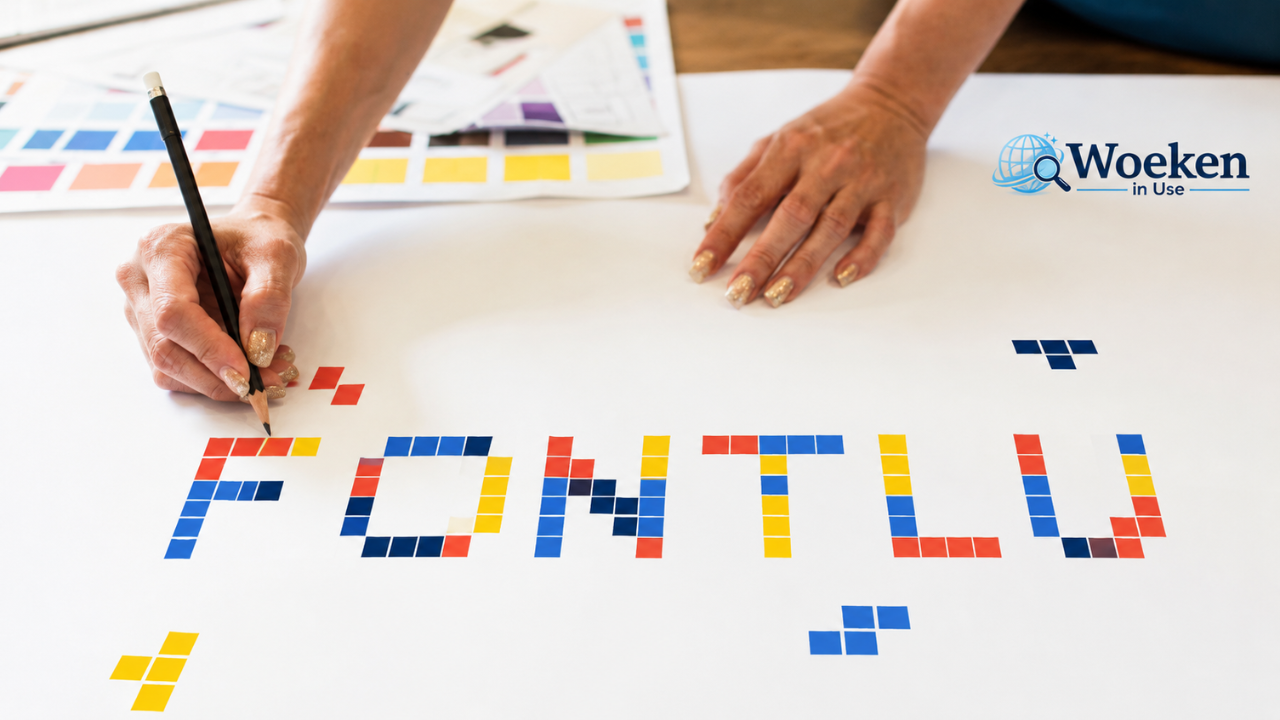
Fontlu: What Is It and How Can It Help You Find Better Fonts?
Fonts shape the way people see, read, and remember digital content. A clean font can make a website feel professional, a bold font can make a logo more memorable, and a stylish font can make social media graphics stand out. That is why many designers, bloggers, developers, and brand owners search for tools and resources that make font discovery easier. One keyword that has started appearing in this space is fontlu.
At its simplest, fontlu is commonly understood as a font-related resource, tool, or concept connected with discovering, previewing, selecting, pairing, and using fonts for creative and digital projects. People search for fontlu because they want to understand whether it is a font platform, a typography tool, a design resource, or a better way to choose fonts for websites, logos, branding, and content creation.
The best way to understand fontlu is to look at what users need from it. Most people are not only searching for a random font download. They want fonts that look good, are easy to read, work on different devices, and are safe to use in personal or commercial projects. A good font choice is not just decoration; it affects readability, trust, brand identity, and the overall user experience.
This guide explains what fontlu means, how it may be used, what features users usually expect, how to choose fonts wisely, and what to check before using any font in a real project.
What Is Fontlu?
Fontlu is best described as a font-focused resource or concept that helps users discover, preview, compare, and use fonts for design and digital content. Depending on the source, it may be presented as a font platform, a font discovery tool, or a broader approach to smart typography.
The main idea behind fontlu is simple: instead of choosing fonts randomly, users should select fonts based on purpose, readability, design style, and usage rights. A font that looks beautiful in a poster may not work well in a long blog post. A font that looks stylish in a logo may load slowly on a website. A free font may look attractive, but it may not always be licensed for business use.
Fontlu helps answer these practical questions:
- Which font style fits my project?
- Can I preview my own text before downloading?
- Is the font free or premium?
- Can I use the font for commercial work?
- Does the font work for websites, logos, graphics, or documents?
- Which fonts pair well together?
In other words, fontlu is useful because it connects creativity with practical font decisions.
Why Fontlu Is Becoming Popular
The need for better font tools has grown because digital content is everywhere. Websites, YouTube thumbnails, Instagram posts, apps, online stores, resumes, presentations, brand kits, and digital ads all depend on typography.
People are no longer satisfied with basic default fonts. They want fonts that match a mood, identity, niche, and audience. A gaming brand may need a bold futuristic font. A fashion blog may need an elegant serif or script style. A finance website may need clean, trustworthy typography. A children’s brand may need playful rounded fonts.
Fontlu is becoming relevant because it focuses on a real problem: choosing the right font quickly without losing quality, readability, or legal clarity.
Another reason fontlu attracts attention is that many users are confused by font licensing. Some fonts are free only for personal use. Some require a commercial license. Some allow use in logos, while others may restrict product packaging, apps, or merchandise. A helpful font resource should make these details easier to understand.
Who Can Use Fontlu?
Fontlu can be useful for many types of users, from beginners to professionals.
Designers
Graphic designers can use fontlu to explore font styles for posters, logos, brand identities, packaging, business cards, banners, and digital ads. A strong font can instantly change the personality of a design.
Bloggers and Website Owners
Bloggers need fonts that are attractive but readable. A blog with poor typography feels unprofessional, even if the content is good. Fontlu can help bloggers choose fonts for headings, body text, menus, and featured images.
Developers
Developers need fonts that work well in websites and apps. This means paying attention to loading speed, file formats, fallback fonts, browser support, and responsive design.
Social Media Creators
Creators often need eye-catching typography for thumbnails, reels, stories, quotes, and posts. Fontlu can help them find bold, stylish, handwritten, or decorative fonts that match their content style.
Businesses and Brands
Businesses need consistent fonts across websites, ads, invoices, packaging, presentations, and social profiles. Fontlu can help them build a more consistent visual identity.
Students and Beginners
Students and beginners may use fontlu to improve presentations, school projects, portfolios, resumes, and creative assignments without needing advanced design knowledge.
Main Features Users Expect from Fontlu
A useful fontlu-style platform or guide should offer practical features that make font selection easier.
| Feature | Why It Matters |
| Font library | Gives users different font styles to explore |
| Live preview | Lets users test their own text before choosing |
| Font categories | Helps users find serif, sans-serif, script, display, or handwritten fonts |
| Search filters | Saves time when looking for a specific style |
| Font pairing suggestions | Helps users combine fonts professionally |
| License information | Reduces risk when using fonts in business projects |
| Download options | Allows users to install fonts for design tools or websites |
| Format details | Helps users choose TTF, OTF, WOFF, or WOFF2 |
| Usage examples | Shows where each font works best |
The most important feature is not just having many fonts. The real value comes from helping users choose the right font for the right purpose.
Types of Fonts You May Find Through Fontlu
Understanding font categories makes fontlu more useful. Here are the main types of fonts users usually look for.
Serif Fonts
Serif fonts have small strokes at the ends of letters. They often feel traditional, elegant, editorial, or trustworthy. They are common in magazines, books, newspapers, legal websites, luxury brands, and formal designs.
Examples of use:
- Magazine headings
- Luxury brand logos
- Editorial websites
- Book covers
- Professional presentations
Sans-Serif Fonts
Sans-serif fonts do not have small strokes at the ends of letters. They look clean, modern, simple, and highly readable on screens. They are often used for websites, apps, dashboards, tech brands, and blogs.
Examples of use:
- Website body text
- Mobile apps
- Tech startup branding
- Online stores
- Clean blog layouts
Script Fonts
Script fonts look like handwriting or calligraphy. They can feel elegant, romantic, personal, or artistic. However, they should be used carefully because they can be hard to read in long text.
Examples of use:
- Wedding invitations
- Beauty brand logos
- Signature-style branding
- Greeting cards
- Boutique packaging
Display Fonts
Display fonts are decorative and designed to grab attention. They work best in large sizes, such as headlines, posters, banners, thumbnails, and logos.
Examples of use:
- YouTube thumbnails
- Posters
- Event banners
- Gaming graphics
- Promotional designs
Handwritten Fonts
Handwritten fonts feel casual, personal, creative, and friendly. They are useful for lifestyle brands, children’s products, personal blogs, and social graphics.
Examples of use:
- Quote posts
- Personal branding
- Lifestyle blogs
- Creative portfolios
- Handmade product labels
Monospace Fonts
Monospace fonts use equal spacing for every character. They are often used in coding, tech designs, terminals, documentation, and developer-focused websites.
Examples of use:
- Code blocks
- Developer portfolios
- Tech branding
- Documentation pages
- Software interfaces
How to Use Fontlu Step by Step
Using fontlu effectively is not only about downloading a font. It is about choosing typography that fits the project.
Step 1: Define Your Project Type
Start by asking what the font is for. A logo font, website font, poster font, and social media font may all need different qualities.
For example, a blog body font should be readable for long paragraphs. A logo font should be distinctive and memorable. A thumbnail font should be bold and clear at small sizes.
Step 2: Choose a Font Category
Select the category that matches your project. For modern websites, sans-serif fonts usually work well. For luxury branding, serif fonts may be better. For invitations, script fonts can create an elegant feel.
Step 3: Preview Your Own Text
Do not judge a font only by its sample image. Type your actual brand name, title, heading, or paragraph. Some fonts look great with short words but weak with longer phrases.
Step 4: Check Readability
Readability is more important than decoration. If users struggle to read the text, the font is not a good choice. Check letter spacing, line height, weight, and contrast.
Step 5: Test Font Pairing
Most projects need more than one font. A common approach is to use one font for headings and another for body text. The fonts should contrast but still feel balanced.
Step 6: Review the License
Before using any font in a client project, logo, website, product, or advertisement, check the license. Never assume a font is free for commercial use just because it is free to download.
Step 7: Download the Correct Format
For design software, TTF or OTF may work well. For websites, WOFF2 is often preferred because it is optimized for web use.
Step 8: Save the License File
If a font includes a license or readme file, save it with your project files. This protects you if questions come up later.
Fontlu for Branding and Logo Design
Fonts are a major part of brand identity. A brand’s typography can make it feel modern, serious, playful, premium, bold, friendly, or creative.
When using fontlu for branding, focus on these points:
- Does the font match the brand personality?
- Is it readable in small and large sizes?
- Does it work in black and white?
- Can it be used commercially?
- Does the license allow logo usage?
- Does it support all needed characters?
- Is it unique enough to stand out?
For example, a law firm should avoid overly playful or cartoon-style fonts. A kids’ toy brand may avoid cold corporate fonts. A luxury perfume brand may choose elegant serif or refined script typography.
A strong brand font should look attractive, but it should also feel appropriate for the audience.
Fontlu for Websites and Blogs
Website typography has a direct effect on user experience. Visitors should be able to read content easily on desktop, tablet, and mobile screens.
For websites, fontlu can help users choose:
- A clean heading font
- A readable body font
- A simple menu font
- A font with multiple weights
- A font that supports responsive design
- A font that does not slow down loading speed
A good blog font setup usually includes:
| Website Element | Recommended Font Style |
| H1 title | Bold serif or sans-serif |
| H2 headings | Clear medium or bold font |
| Body text | Highly readable sans-serif or serif |
| Buttons | Strong sans-serif |
| Captions | Simple lightweight font |
| Navigation | Clean and compact font |
Avoid using too many fonts on one website. Two font families are usually enough: one for headings and one for body text.
Fontlu for Social Media and Content Creation
Social media content needs fast visual impact. Users scroll quickly, so the font must be clear and attention-grabbing.
Fontlu can be helpful for:
- Instagram quote posts
- YouTube thumbnails
- TikTok covers
- Pinterest pins
- Facebook banners
- Product announcement graphics
- Story highlights
- Personal branding graphics
For social media, use bold fonts for short headlines and simple fonts for supporting text. Avoid thin fonts on busy backgrounds because they become hard to read.
A good social media font should be:
- Clear at small size
- Strong enough to stand out
- Consistent with your brand
- Easy to read on mobile
- Not overly decorative
Font Pairing Tips for Better Design
Font pairing is the art of using two or more fonts together. Good pairing makes a design look professional. Bad pairing can make it look messy.
Use Contrast
Pair fonts that are different but balanced. For example, use a bold serif heading with a clean sans-serif body font.
Keep Body Text Simple
Decorative fonts should not be used for long paragraphs. Use them for short titles, logos, or accents only.
Limit the Number of Fonts
Use two fonts in most projects. Three can work if there is a clear reason. More than three usually creates visual confusion.
Match the Mood
Do not pair a serious corporate font with a childish handwritten font unless the design intentionally needs that contrast.
Use Font Weights
Instead of adding more fonts, use different weights of the same font family. For example, regular for body text, semibold for subheadings, and bold for titles.
Practical Font Pairing Examples
| Pairing Style | Best For |
| Serif heading + sans-serif body | Blogs, magazines, professional websites |
| Sans-serif heading + serif body | Editorial layouts and formal content |
| Display heading + simple sans-serif body | Posters, landing pages, thumbnails |
| Script logo + sans-serif support text | Beauty, fashion, handmade brands |
| Monospace accent + sans-serif body | Tech, coding, software websites |
Free vs Premium Fonts on Fontlu
One of the biggest questions users ask about fontlu is whether fonts are free. The answer depends on the individual font and license.
Free Fonts
Free fonts may be available at no cost, but they can have different rules. Some are free for personal use only. Others are free for both personal and commercial projects.
Free fonts are good for:
- Personal projects
- School designs
- Hobby blogs
- Practice work
- Simple graphics
Premium Fonts
Premium fonts usually require payment. They may include better quality, more weights, extended language support, commercial rights, and professional support.
Premium fonts are useful for:
- Business branding
- Client projects
- Product packaging
- Apps and software
- Paid ads
- Merchandise
- Professional websites
The price of a font is less important than the license. A free font with clear commercial rights may be safer than a paid font with unclear usage terms.
Font Licensing and Commercial Use
Font licensing is one of the most important parts of using fontlu or any font platform. A font is creative work, and the designer or foundry can set rules for how it may be used.
Common font license types include:
Personal Use License
This allows use in non-commercial projects. You may use it for personal graphics, school work, or practice, but not for business branding or paid client work.
Commercial Use License
This allows use in business-related projects, such as websites, ads, logos, brochures, and client designs.
Webfont License
This allows the font to be used on websites. It may include rules based on page views or domains.
App License
This allows embedding the font in mobile apps, desktop software, or digital products.
Extended License
This may cover wider usage such as merchandise, templates, print-on-demand products, or large-scale campaigns.
Before using a font commercially, check:
- Is commercial use allowed?
- Is logo use allowed?
- Is web embedding allowed?
- Can the font be used in apps?
- Can it be used on merchandise?
- Is attribution required?
- Can the font file be shared with a team or client?
- Are there pageview or installation limits?
Font Formats Explained
Fontlu users may see different file formats. Each format has a purpose.
TTF
TTF stands for TrueType Font. It is widely supported and commonly used for desktop installation.
OTF
OTF stands for OpenType Font. It can support advanced typography features and is popular among designers.
WOFF
WOFF stands for Web Open Font Format. It is made for web usage.
WOFF2
WOFF2 is a newer web font format with better compression. It is often preferred for websites because it can load faster.
SVG Fonts
SVG fonts are less common today but may appear in certain design or icon workflows.
For most users, TTF and OTF are useful for design tools, while WOFF2 is better for websites.
Fontlu Compared with Other Font Resources
Fontlu appears in a crowded font discovery space. Users may also compare it with platforms such as Google Fonts, Adobe Fonts, DaFont, FontSpace, and Font Squirrel.
| Platform | Main Strength | Best For |
| Fontlu | Font discovery, previewing, pairing, and practical typography guidance | Designers, bloggers, creators, developers |
| Google Fonts | Free web fonts with easy website integration | Websites and apps |
| Adobe Fonts | Professional font library with broad creative usage | Designers and Creative Cloud users |
| DaFont | Large collection of decorative and user-submitted fonts | Personal projects and creative exploration |
| FontSpace | Large free font library with licensing focus | Free font discovery |
| Font Squirrel | Curated commercial-use font resources | Safer commercial font searches |
Fontlu’s value comes from how well it helps users move from browsing to choosing. A font platform becomes more useful when it provides previews, categories, license clarity, and practical guidance.
Common Mistakes to Avoid When Using Fontlu
Choosing Style Over Readability
A font may look stylish but still be difficult to read. Always test readability first.
Ignoring Commercial Rights
Many users download fonts without checking the license. This can create problems later, especially for logos, ads, or client work.
Using Too Many Fonts
Too many fonts make a design look unorganized. Use a small, consistent typography system.
Not Testing on Mobile
A font that looks good on desktop may look cramped or unclear on mobile screens.
Using Decorative Fonts for Paragraphs
Decorative fonts should be used for short text only. Long paragraphs need simple, readable fonts.
Forgetting Website Speed
Heavy font files and too many font weights can slow down a website. Use only the weights you need.
Not Saving License Proof
Always save license details, especially for client or business projects.
Safety Checklist Before Downloading Fonts
Before downloading or using fonts from any source, follow this checklist:
- Check if the site looks trustworthy
- Read the font license carefully
- Confirm whether commercial use is allowed
- Download from the original source when possible
- Avoid suspicious files or installers
- Scan downloaded files if needed
- Keep the license file saved
- Test the font before using it in final work
- Check if all characters and symbols are supported
- Make sure the font works in your design software or website
A safe font workflow protects your design, your brand, and your clients.
Best Practices for Getting the Most Out of Fontlu
To use fontlu effectively, follow these practical tips.
First, start with the purpose of your project. Do not choose a font just because it looks nice. Choose it because it fits the message. A finance blog, gaming channel, wedding invitation, and technology startup should not all use the same type style.
Second, build a small font system. Choose one font for headings, one for body text, and maybe one accent font if needed. This keeps your design clean and consistent.
Third, test the font in real conditions. Preview your actual heading, brand name, paragraph, button text, and mobile layout. Some fonts look beautiful in previews but weak in practical use.
Fourth, check licensing before publishing. This is especially important for business websites, client branding, merchandise, and paid advertising.
Finally, keep your typography simple. The best font choice is usually the one that supports the message without distracting from it.
Conclusion
Fontlu is an important keyword in the growing world of typography, font discovery, and digital design. Whether someone sees it as a font platform, a font tool, or a smarter approach to choosing fonts, its main value is clear: it helps users think more carefully about how fonts affect readability, branding, creativity, and user experience.
A good font is not only attractive. It must be readable, appropriate, consistent, and legally safe to use. Fontlu can help designers, bloggers, developers, social media creators, and businesses explore better typography choices for websites, logos, graphics, presentations, and brand materials.
The smartest way to use fontlu is to focus on purpose first. Choose fonts that match the project, preview them with real text, test readability, pair them carefully, and always check the license before publishing. When used properly, fontlu can make design work easier, cleaner, and more professional.
Frequently Asked Questions
What is Fontlu?
Fontlu is commonly understood as a font-related platform, tool, or concept focused on discovering, previewing, pairing, and using fonts for design and digital projects.
Is Fontlu free to use?
Fontlu may include free font options, but availability depends on the specific font or platform. Always check whether a font is free for personal use only or also free for commercial use.
Can I use Fontlu fonts for commercial projects?
You can use fonts commercially only if the font license allows it. Before using any font for business, branding, ads, or client work, read the license terms carefully.
Is Fontlu good for logo design?
Fontlu can be helpful for logo design because it may help users explore stylish and brand-friendly fonts. However, make sure the selected font license allows logo usage.
What font formats should I download?
For desktop design software, TTF and OTF are common choices. For websites, WOFF2 is often preferred because it is optimized for web performance.
How many fonts should I use in one design?
Most designs work best with two fonts: one for headings and one for body text. Using too many fonts can make a design look messy and inconsistent.
If you enjoyed this article, read more about Possible Red Flags Linked With Dulcfold com