
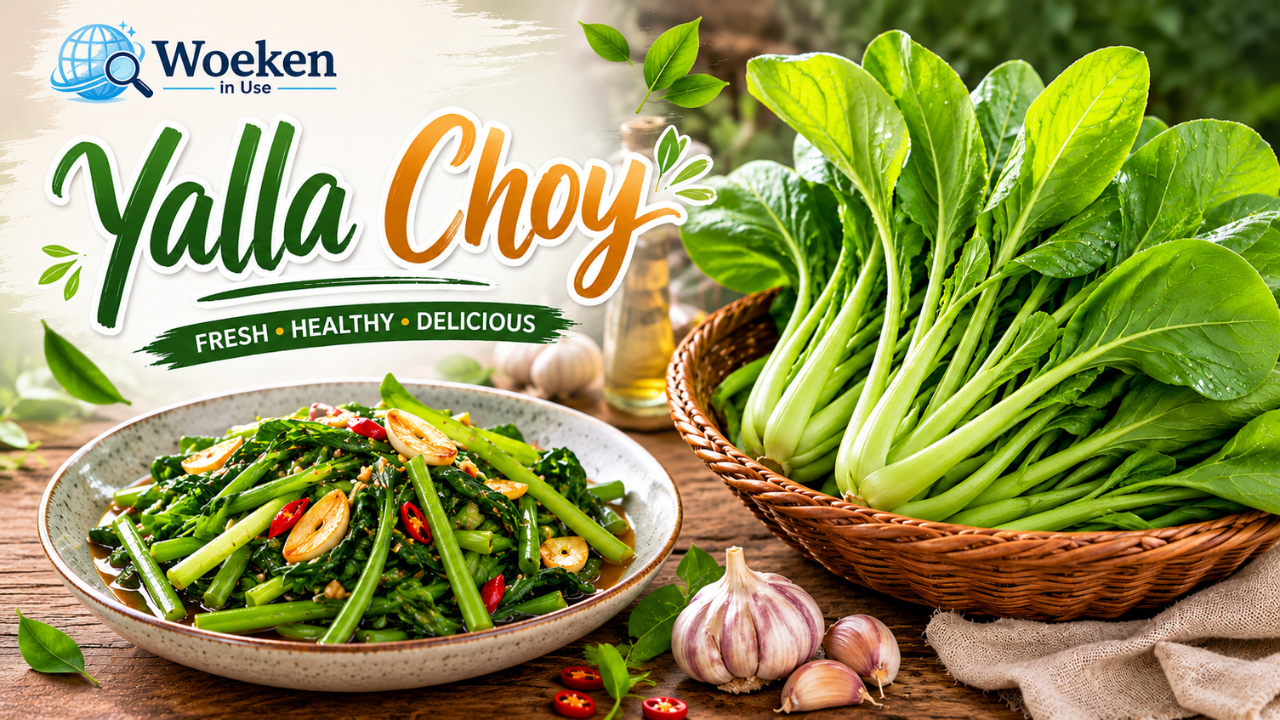
Yalla Choy: What Does It Mean, Is It a Vegetable, and Why Are People Searching for It?
Yalla Choy is a keyword that has gained attention because people use it in more than one way. In some online content, Yalla Choy is described as a leafy green vegetable similar to water spinach, ong choy, or kangkong. In other places, it is explained as a modern informal phrase that combines the Arabic word “yalla,” meaning “let’s go” or “come on,” with “choy,” a word often connected with Asian leafy vegetables.
That mixed usage is exactly why many people search for this term. They want a clear answer: Is Yalla Choy a food, a plant, a dish, a slang phrase, or something else?
The most helpful answer is this: Yalla Choy is not a fully standardized name in the way “bok choy” or “water spinach” is. Depending on context, it may refer to a leafy green, a food idea, or a playful phrase. If someone is talking about cooking, nutrition, markets, or vegetables, they are probably using Yalla Choy to describe an Asian-style leafy green. If the conversation is about language, social media, or casual speech, it may be used as a fun phrase suggesting energy, movement, or encouragement.
This article explains both meanings in a clear and practical way.
Why the Meaning of Yalla Choy Can Be Confusing
The confusion around Yalla Choy comes from the two words inside the phrase.
“Yalla” is widely understood in Arabic-speaking communities as a casual expression meaning “let’s go,” “come on,” “hurry up,” or “let’s start.” It is energetic and informal. People use it when they want movement, action, or excitement.
“Choy” appears in many Asian vegetable names, especially in Chinese food culture. Bok choy, yu choy, choy sum, and ong choy are all examples of greens that use “choy” or similar spellings. Because of that, many readers assume Yalla Choy must be a vegetable.
Both ideas can exist at the same time online. That is why the keyword often leads to articles about leafy greens, food, cultural phrases, health benefits, and recipes all mixed together.
A good way to understand it is this: Yalla Choy is best treated as a modern, flexible term. It can point toward a green vegetable in food writing, but it can also be interpreted as a casual expression in language-focused writing.
Is Yalla Choy a Vegetable or a Phrase?
Yalla Choy can be discussed as both, but it depends on the context.
If someone says, “I cooked Yalla Choy with garlic,” they are likely talking about a leafy green similar to water spinach or ong choy. In that food context, Yalla Choy is being used like a vegetable name.
If someone says, “Yalla Choy, let’s go,” they may be using it as a playful phrase. In that context, it sounds more like an energetic expression than a plant.
The problem is that Yalla Choy is not as commonly recognized as bok choy, pak choi, yu choy, or kangkong. Because of this, readers should be careful before assuming one fixed meaning.
For a food article, the safest and most useful approach is to explain Yalla Choy as a leafy green-style term often associated with water spinach, ong choy, kangkong, and similar Asian greens, while also noting that the phrase has a modern slang-like interpretation.
Yalla Choy as a Leafy Green
When Yalla Choy is used as a food term, it usually points to a fresh green vegetable with tender leaves and crisp stems. Many online descriptions connect it with water spinach, also known as ong choy or kangkong.
This type of green is popular in many Asian kitchens because it cooks quickly, absorbs flavor well, and works beautifully with garlic, chili, soy sauce, fermented bean curd, fish sauce, oyster sauce, sesame oil, and ginger.
The appeal of Yalla Choy as a leafy green comes from its simplicity. It does not need heavy cooking. In fact, quick cooking is usually better because it helps preserve the bright color, mild flavor, and pleasant crunch of the stems.
A basic plate of Yalla Choy can be made with just oil, garlic, salt, and a splash of sauce. That simplicity makes it useful for home cooks who want a fast vegetable side dish with strong flavor and good texture.
Yalla Choy and Its Connection to Water Spinach, Ong Choy, and Kangkong
Many food-related results connect Yalla Choy with water spinach, which is also known as ong choy, kangkong, Chinese water spinach, river spinach, swamp cabbage, and water morning glory.
Water spinach is a semi-aquatic tropical leafy vegetable. It grows in moist soil or near water and is commonly used in Southeast Asian, Chinese, and South Asian cooking. Its hollow stems are one of its most recognizable features. The leaves are tender, while the stems stay crisp when cooked quickly.
In Chinese cooking, ong choy is often stir-fried with garlic or fermented tofu. In Filipino and Malaysian kitchens, kangkong appears in soups, stir-fries, and saucy dishes. In Vietnamese cooking, rau muong is commonly boiled, stir-fried, or added to soups.
If you see Yalla Choy described in a recipe, the writer may be referring to this family of leafy greens. However, because “Yalla Choy” is not always a formal market label, it is helpful to check the description, image, and ingredients before buying or cooking it.
What Does the Word “Yalla” Mean?
The word “yalla” comes from Arabic usage and is commonly understood as “let’s go,” “come on,” “hurry up,” or “move.” It is one of those words that can change slightly depending on tone and situation.
For example:
- A friend might say “yalla” when everyone is ready to leave.
- A coach might say it to encourage players.
- A parent might say it when children are moving too slowly.
- A group might use it before starting an activity.
The feeling behind the word is energetic. It pushes things forward. That is why, when paired with “choy,” the phrase Yalla Choy can sound playful, multicultural, and lively.
In modern internet language, words often travel across cultures and become part of casual speech. Yalla Choy may be an example of that kind of flexible, mixed-language expression.
What Does “Choy” Mean in Food Culture?
“Choy” is commonly connected with vegetables in Chinese food terms. It appears in names such as bok choy, yu choy, pak choi, and choy sum. In broad terms, it is associated with edible greens, especially leafy vegetables used in stir-fries, soups, and steamed dishes.
Because many people already know bok choy, they may see “Yalla Choy” and immediately think of food. That is understandable. The word “choy” gives the phrase a strong vegetable-like feeling.
However, not every phrase ending in “choy” refers to a formally recognized vegetable. That is why it is important to separate common usage from botanical accuracy. If you are shopping, look for the actual vegetable label: water spinach, ong choy, kangkong, yu choy, bok choy, or choy sum.
Nutritional Value of Yalla Choy as a Leafy Green
If Yalla Choy is being used to describe water spinach or a similar leafy green, it can be part of a nutrient-rich diet. Leafy greens are generally valued because they offer vitamins, minerals, water content, and fiber while staying light and easy to cook.
Water spinach-style greens are often associated with nutrients such as vitamin A, vitamin C, iron, calcium, magnesium, potassium, and plant compounds that support a balanced diet. The exact nutrition depends on the growing conditions, freshness, cooking method, and serving size.
A quick stir-fry with garlic is different from a dish cooked with heavy sauces or too much oil. For the healthiest version, keep the cooking simple and avoid overpowering the vegetable with excessive salt or fat.
Important note: Yalla Choy should not be treated as a miracle food. It can be a healthy green, but no single vegetable replaces a balanced diet. Its real value comes from being fresh, easy to prepare, and suitable for everyday meals.
Health Benefits of Yalla Choy
1. Supports a More Vegetable-Rich Diet
One of the biggest benefits of Yalla Choy is that it can help people eat more vegetables. Many people struggle to include greens in daily meals because they think vegetables are boring or difficult to cook. Yalla Choy-style greens solve that problem because they cook quickly and pair well with bold flavors.
A simple garlic stir-fry can be ready in minutes and works with rice, noodles, grilled fish, chicken, tofu, eggs, or lentils.
2. Provides Fiber for Digestion
Leafy greens contain dietary fiber, which supports regular digestion and helps make meals feel more satisfying. A bowl of rice with only meat or sauce can feel heavy, but adding greens gives the plate more balance.
Fiber also helps slow down how quickly a meal is digested, which can support better fullness after eating.
3. Adds Vitamins and Minerals
Fresh green vegetables can contribute vitamins and minerals to the diet. Yalla Choy-style greens may provide nutrients connected with immune function, healthy skin, normal energy use, and overall wellness.
The key is to cook them gently. Overcooking leafy greens can make them mushy and less appealing. Quick cooking keeps the texture and color better.
4. Light but Flavorful
Yalla Choy is useful for people who want flavorful food without making every dish heavy. Garlic, chili, ginger, vinegar, lemon, soy sauce, and sesame oil can all add strong taste without needing complicated preparation.
5. Useful in Many Diet Styles
This green can fit into vegetarian, vegan, seafood-based, and meat-based meals. It can be served as a side dish, mixed into noodles, added to soups, or paired with tofu.
That flexibility makes it practical for families, meal prep, and quick weeknight cooking.
How Yalla Choy Is Used in Cooking
Yalla Choy-style greens are usually cooked quickly. The stems and leaves have different textures, so one useful method is to separate them before cooking.
The stems need slightly more time because they are firmer and crunchier. The leaves wilt quickly and should be added near the end.
Common cooking methods include:
- Stir-frying with garlic
- Cooking with fermented tofu
- Adding to noodle dishes
- Tossing into soups
- Steaming and topping with sauce
- Sautéing with chili and ginger
- Mixing with eggs or tofu
- Serving with rice and grilled protein
The flavor is mild, so the seasoning matters. If you like simple food, garlic and salt may be enough. If you want a stronger Asian-style dish, use soy sauce, oyster sauce, fish sauce, sesame oil, chili oil, or fermented bean curd.
Easy Yalla Choy Recipe Ideas
Garlic Stir-Fried Yalla Choy
This is the easiest way to enjoy it.
Ingredients:
- 1 bunch Yalla Choy or water spinach-style greens
- 3 to 5 garlic cloves, chopped
- 1 tablespoon cooking oil
- Salt to taste
- 1 teaspoon soy sauce or oyster sauce
- Optional: red chili slices
Method:
Wash the greens well. Cut the stems and leaves into medium pieces. Heat oil in a wok or large pan. Add garlic and stir for a few seconds until fragrant. Add stems first and cook briefly. Add leaves and sauce. Toss quickly until the leaves wilt. Serve hot.
Yalla Choy with Fermented Tofu
This version is popular in Cantonese-style cooking when using ong choy.
Ingredients:
- 1 bunch leafy greens
- 2 cubes fermented tofu
- 1 teaspoon sugar
- 1 tablespoon oil
- Garlic or ginger
- A splash of water
Method:
Mash fermented tofu with sugar and a little water. Heat oil, add garlic or ginger, then add the greens. Pour in the fermented tofu mixture and toss until evenly coated.
The result is salty, rich, and full of umami.
Spicy Yalla Choy Soup
This is a comforting option when you want something lighter.
Ingredients:
- 1 bunch Yalla Choy-style greens
- 4 cups broth or water
- Garlic
- Chili
- Tomato or mushrooms
- Tofu, shrimp, or chicken
- Salt, pepper, and lemon juice
Method:
Bring broth to a boil. Add garlic, chili, tomato, and protein. Cook until the protein is done. Add the greens at the end and simmer briefly. Finish with lemon juice for brightness.
Yalla Choy Noodles
Add chopped greens to stir-fried noodles for extra color and nutrition.
Use noodles, garlic, soy sauce, chili sauce, eggs or tofu, and Yalla Choy. Add the stems before the noodles and the leaves near the end.
This makes a fast lunch or dinner.
How to Buy Fresh Yalla Choy
If you are buying Yalla Choy as a leafy green, check for these signs of freshness:
- Bright green leaves
- Firm stems
- No slimy texture
- No strong sour smell
- No yellow or black patches
- No excessive wilting
If the market does not recognize the name Yalla Choy, ask for water spinach, ong choy, kangkong, Chinese water spinach, or morning glory greens. Asian grocery stores are more likely to carry these vegetables than regular supermarkets.
When buying, remember that leafy greens shrink during cooking. One large bunch may become only two or three servings after stir-frying.
How to Store and Clean Yalla Choy
Fresh greens should be used as soon as possible. If you need to store them, wrap them loosely in a paper towel and place them in a bag or container in the refrigerator. Try to use them within one to three days for the best texture.
Cleaning is important because water-grown greens can hold dirt, sand, or small insects.
To clean Yalla Choy:
- Trim the tough ends.
- Separate leaves and stems if needed.
- Rinse under running water.
- Soak briefly in clean water.
- Rinse again until no grit remains.
- Drain well before cooking.
Do not leave the greens wet for too long in the fridge because moisture can make them spoil faster.
Can You Grow Yalla Choy at Home?
If Yalla Choy is being used to mean water spinach or a similar tropical green, it grows best in warm, moist conditions. It likes sunlight, heat, and regular water. In suitable climates, it can grow quickly.
However, there is an important caution: water spinach is regulated or restricted in some regions because it can spread aggressively in waterways. In some places, growing, transporting, or selling it may require permits or may not be allowed.
Before growing it at home, check your local rules. If it is permitted in your area, keep it controlled in a container rather than letting it spread into natural waterways.
For home gardeners, container growing is usually safer and easier to manage.
Yalla Choy vs Bok Choy vs Yu Choy vs Ong Choy
Because the names sound similar, many people confuse Yalla Choy with other Asian greens.
Yalla Choy
Yalla Choy is a flexible term. It may refer to a leafy green similar to water spinach, or it may be used as a modern phrase. It is not always a formal grocery-store label.
Ong Choy
Ong choy is a common name for water spinach. It has hollow stems and tender leaves. It is often stir-fried with garlic or fermented tofu.
Kangkong
Kangkong is another name for water spinach, especially common in Southeast Asian food contexts. It is used in soups, stir-fries, and saucy dishes.
Bok Choy
Bok choy is a Chinese cabbage with thick white or pale green stems and dark leaves. It is different from water spinach. It has a firmer base and a cabbage-like identity.
Yu Choy
Yu choy is a Chinese green with thin stems, leaves, and sometimes small yellow flowers. It has a slightly mustard-like flavor and is commonly stir-fried or blanched.
Choy Sum
Choy sum is related to yu choy and is known for tender stems and mild flavor. It is often served with garlic sauce or oyster sauce.
The easiest way to avoid confusion is to look at the stems. Water spinach or ong choy has hollow stems. Bok choy has thick solid stems. Yu choy and choy sum have slimmer stems and may have yellow flowers.
Common Mistakes People Make About Yalla Choy
Mistake 1: Thinking It Has Only One Meaning
Yalla Choy does not have one universally accepted meaning. It may be food-related or phrase-related depending on context.
Mistake 2: Confusing It with Bok Choy
Bok choy and Yalla Choy-style water spinach are not the same. Bok choy is a cabbage-type vegetable, while water spinach has hollow stems and a different texture.
Mistake 3: Overcooking It
Leafy greens cook fast. If you cook them too long, they can become soft, dull, and watery. Quick cooking gives better flavor and texture.
Mistake 4: Not Washing It Properly
Because water spinach-style greens can grow in wet environments, cleaning is important. Always rinse thoroughly before cooking.
Mistake 5: Ignoring Local Growing Rules
If you plan to grow Yalla Choy as water spinach, check local regulations first. In some regions, this plant is controlled because of its invasive potential.
Conclusion
Yalla Choy is an interesting keyword because it sits between food, language, and modern online culture. For some people, it refers to a leafy green similar to water spinach, ong choy, or kangkong. For others, it sounds like a playful phrase built from “yalla,” meaning “let’s go,” and “choy,” a word linked with Asian greens.
The most important thing to remember is that Yalla Choy is not always used in one fixed way. If you are reading about recipes, health benefits, or vegetables, it likely means a leafy green. If you are reading about slang or culture, it may be used as a fun expression.
As a food, Yalla Choy-style greens are quick to cook, easy to season, and useful in stir-fries, soups, noodles, and simple vegetable sides. As a phrase, it reflects how language changes when cultures, food terms, and online communities mix together.
Frequently Asked Questions
What is Yalla Choy?
Yalla Choy is a mixed-use term. It may refer to a leafy green similar to water spinach, ong choy, or kangkong, but it is also sometimes explained as a modern phrase combining “yalla” with “choy.”
Is Yalla Choy the same as water spinach?
In many food-related articles, Yalla Choy is treated as similar to water spinach, also called ong choy or kangkong. However, the name is not as standardized as water spinach, so context matters.
What does Yalla Choy mean?
As a phrase, Yalla Choy can suggest “let’s go,” “come on,” or energetic encouragement. As a food term, it usually points toward leafy Asian greens.
Is Yalla Choy healthy?
If used to describe water spinach or a similar leafy green, Yalla Choy can be a healthy addition to meals. It may provide fiber, vitamins, minerals, and freshness, especially when cooked simply.
How do you cook Yalla Choy?
The easiest method is to stir-fry it with garlic, oil, and a little salt or soy sauce. Cook the stems first, then add the leaves so they stay bright and tender.
Can I grow Yalla Choy at home?
You may be able to grow it in warm, moist conditions, but check local regulations first if it is water spinach. Some areas restrict it because it can spread quickly in waterways.
If you enjoyed this article, read more about Hitaar and Community Connection